
A pedestal can look beautiful in a close-up photograph and still leave a family unsure about the place around it. During an ancestral pedestal viewing in Singapore, spend as much attention on the visit itself as on the display: the journey from arrival, the space in front of the memorial and the way relatives can gather comfortably. Those details shape the experience people will return to.
Our ancestral tablet arrangements can be explored within different memorial environments, including Lin San Temple, Thian Leng Temple and Nirvana Memorial Garden. A useful viewing helps the family connect the actual pedestal with the setting, access and style of remembrance it wants.
Start an ancestral pedestal viewing at the place relatives will arrive
Begin before entering the hall. Notice where a visiting relative would arrive and how the route to the relevant area is explained. If the family normally travels together, imagine the day when one sibling comes alone. A setting is easier to use when people can find the correct area without depending entirely on the person who attended the original appointment.
The journey also helps put different venues into context. Nirvana Memorial Garden is in western Singapore, while Thian Leng Temple is in Kembangan. Lin San Temple provides another temple setting to consider. The best fit depends on where the family travels from and the kind of environment it values, rather than a universal judgement about which location is most convenient.
The pedestal route should fit the relative who needs more time
If an older relative uses a walking aid or prefers a slower pace, include that reality in the viewing. Follow the proposed route together where practical. A description of modern facilities is useful context, but the actual journey to a particular pedestal is what the family needs to understand. Ask about any part that cannot be seen during the appointment.
Nirvana Memorial Garden combines modern facilities with traditional Chinese and local cultural influences. That combination may appeal to a family wanting cultural familiarity and a contemporary setting. Use the visit to see how those features support your relatives’ particular needs rather than assuming the general description answers every access question.
Some families send only the quickest, most mobile relative to view. Their account can be helpful, but they may overlook where another person would want to pause. Invite them to describe the journey from arrival to the memorial area, not simply report how long it took them to walk there.
Finding the right tablet area matters after the first guided visit
During a guided appointment, everything may feel easy because someone leads the way. Before leaving, make sure the family understands how the proposed area is identified. Retain the actual arrangement details with the family record. A general image of a temple is not enough to help someone locate an individual pedestal on a later visit.
For a sibling overseas, permitted photographs and a short description can make the setting easier to understand. Label the images accurately and avoid capturing other families’ names. A wide view that explains the environment often gives more useful context than several close-ups of decorative finishes.
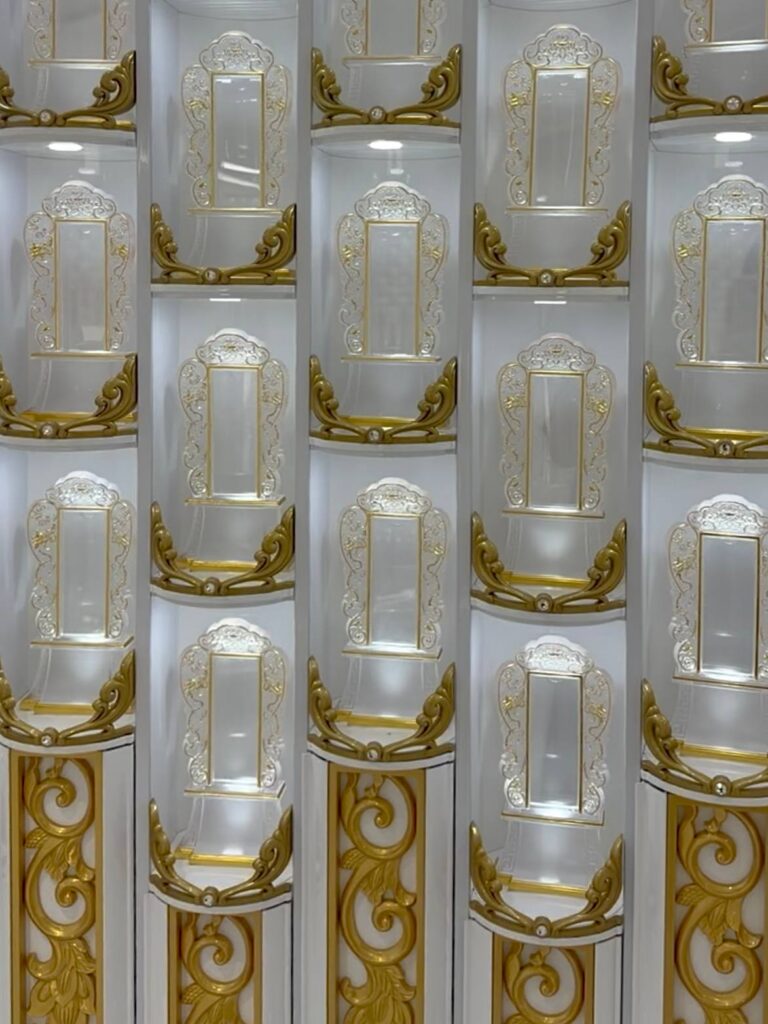
Look at the ancestral pedestal from the family’s standing position
Once in the relevant area, look from where a visitor would normally stand. The family needs to understand how the inscription is presented, how people can approach and how they can pause respectfully. Do not assess the arrangement only from a promotional image taken at a different height or distance.
At Lin San Temple, ancestral pedestal displays sit within a Buddhist temple setting that also has a niche suite and Mini Buddha displays. These give the setting a distinct religious and visual context. During the viewing, identify the pedestal arrangement itself so that the family is considering the relevant display rather than an adjacent feature.
Tablet readability is part of a comfortable family visit
The names should be considered in relation to the people who will read them. A relative may want to see Chinese characters clearly, while a younger family member may need an explanation of the written name. Discuss the intended inscription format and review it through the actual arrangement, rather than assume a layout shown elsewhere will apply.
If the family is choosing between positions or formats, compare their actual presentation. Ask what can be confirmed about the selected option. Avoid making a choice based on a photograph that does not identify the relevant arrangement. The goal is a display the family understands and can recognise on future visits.
A viewing can also reveal what the inscription should not have to do. It can identify the person or ancestors, while a private family account carries fuller stories and relationships. This keeps the formal memorial clear and gives younger relatives another way to connect with the names they see.
Pedestal space should suit quiet visits as well as a family gathering
Imagine two ordinary visits: a person arriving alone for a quiet moment and several relatives attending together. The setting should make sense for both patterns the family expects to use. Notice how people can stand without blocking another family or turning a shared hall into a private gathering space.
Where a family wants an organised religious observance, discuss it separately. Our prayer services include private prayer arrangements, alongside occasions such as Qing Ming, Vesak Day and Double Ninth. A quiet viewing does not show how every observance is organised, so establish the relevant venue and current arrangements for the service the family actually wants.
Take a moment to listen to the environment. Buddhist chanting and greenery shape the atmosphere at Nirvana Memorial Garden; each temple has its own religious environment. These features can be meaningful parts of the experience. Relatives with different preferences should have space to say what feels comfortable, familiar or unfamiliar to them.
Compare the whole pedestal setting rather than the decorative detail alone
Design is a valid part of choosing a memorial place. Thian Leng Temple combines a modern pedestal design with traditional religious elements. A family may value that balance. Another family may respond more strongly to a temple atmosphere at Lin San or to the garden environment at Nirvana. A good comparison explains why the setting suits the family.
Try writing a short description after each viewing without using the word “nice.” Describe the actual environment, the journey and the feeling it gave the relatives who attended. This produces more useful information than comparing photographs by appearance. It also makes the later discussion fairer for someone who could not attend.
A temple atmosphere may matter more than matching the home interior
A pedestal outside the home has its own setting and purpose. It does not need to match a living room. For some relatives, the religious environment is the reason to choose a temple. The display belongs within that broader atmosphere, and it makes sense to consider the two together.
Discuss participation respectfully where the family includes different beliefs. One relative may wish to pray; another may simply accompany an older parent and remember a loved one quietly. Explain that before arranging an observance. The venue and appropriate religious adviser can clarify what the relevant setting and ceremony involve.
The Singapore Chinese Cultural Centre’s Qing Ming account offers cultural background on remembrance in Singapore. It can help a younger relative understand why the family values a shared memorial place. The viewing remains the opportunity to understand this family’s specific setting and practice.
A clear pedestal explanation is part of respectful service
The way questions are handled matters alongside the room itself. Our service commitment is to offer courteous guidance that respects the family’s preferences and traditions. A useful appointment should leave relatives better able to explain the available arrangement in their own words.
Bring a question that matters to the family rather than trying to ask everything at once. It may concern names, visiting access, a future change of contact or the relationship with an existing niche. A specific conversation often reveals more than a long list of general features that do not affect the family’s use of the pedestal.
Allow the older relative to speak directly if they want to. A child arranging the appointment may be efficient, yet the parent may be the person most affected by a change from a home altar. Their preference about the atmosphere or visiting pattern deserves time in the discussion.
Notice how a short pedestal visit would unfold on an ordinary day
A viewing can be unhurried because the family has set aside a special morning. Future visits may happen between other commitments. Imagine arriving for a brief period of remembrance: finding the correct area, pausing before the names and leaving without confusion. That simple sequence is worth understanding. It is often closer to real use than the long guided appointment through which the family first sees the venue.
For a relative who likes to visit alone, privacy may mean being able to stand quietly without feeling watched or hurried. For a larger family, comfort may mean understanding where to gather and when to keep a shared route clear. These are different needs. Discuss them as ordinary aspects of using a memorial place rather than assume that a larger hall or more elaborate design automatically meets both.
Also distinguish a first impression from an ongoing arrangement. A tidy display during a viewing gives the family something to observe. The actual care responsibilities and any associated terms should still be explained. This is where the service conversation supports the physical setting: relatives can understand who looks after which elements and what they themselves will continue to do.
If the family expects to bring flowers or other offerings, use the visit to learn where these belong under the current venue rules. An available surface is not necessarily an approved place for an offering. Understanding the permitted practice helps preserve the appearance and shared use of the hall, while allowing the family to plan its own visit with confidence.
Finally, allow a moment without taking photographs or discussing costs. Stand in the proposed environment and consider whether the relatives who will return feel at ease there. The decision includes facts and terms, but it also concerns a place where people may feel emotional. That personal response deserves attention alongside the practical details.
Leave the ancestral pedestal viewing with a usable comparison
Before the impressions blur together, note the exact venue and arrangement discussed. Separate what you observed from what remains to be explained. You may have seen the hall and followed the route, while the inscription format or written terms still need a later response. Keeping that difference clear prevents a pleasant visit from being mistaken for a completed decision.
Compare a small number of practical points: whether the setting fits the family’s beliefs, whether relatives can make the journey, how the proposed display works and what the arrangement includes. The family does not need an elaborate scoring system. It needs enough clarity to discuss the real differences.
If tablet and niche arrangements are being considered together, keep their locations and purposes distinct. A niche for an urn and a tablet for remembrance are not interchangeable. Ask to understand how both would fit into a future visit if that is important to the family.
Give absent relatives the same specific information, including questions that remain open. Let them respond before the final inscription or arrangement is approved. Someone who views later may notice a practical issue others missed, and that contribution can improve the decision rather than restart it.
The pedestal you choose will be seen within a setting, approached by real people with different routines and remembered across more than one visit. Take time to experience that whole picture. A comfortable route, an understandable display and a respectful service conversation give the family stronger reasons for its choice than an attractive close-up alone.