A Guide to Traditional Chinese 拜拜: Prayer & Ancestral Worship
For generations, 拜拜 (bài bài) has been an important part of Chinese culture and family traditions. Whether at home, a temple, or a columbarium, Chinese prayer and ancestral worship provide an opportunity to show respect, remember loved ones and express gratitude.
If you are unfamiliar with the customs, knowing what to prepare, what to say and how to pray can feel overwhelming. This simple guide introduces the basic steps of a traditional Chinese prayer ceremony and ancestor worship.
Step 1 — Prepare the Offerings
Depending on the occasion and family tradition, offerings often include the following:
🍊 Fruit
🍵 Tea
🌸 Flowers
🥮 糕点 (Traditional Pastries)
Families often choose offerings based on the preferences of their deceased loved ones. Today, some families even prepare their loved ones’ favourite modern foods and drinks.
Step 2 — Arrange the Offerings
Place the offerings neatly at the altar or designated prayer area.
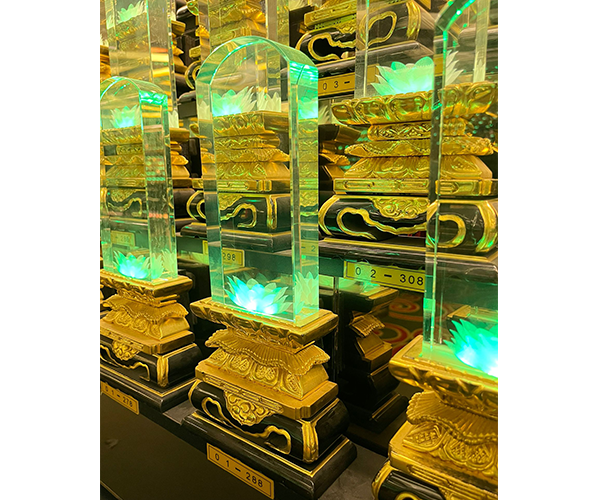
Generally, tea and rice may be placed closer to the ancestral tablet and incense burner
The arrangement can vary according to the deity, temple and family tradition.
Step 3 — Make Your Prayer
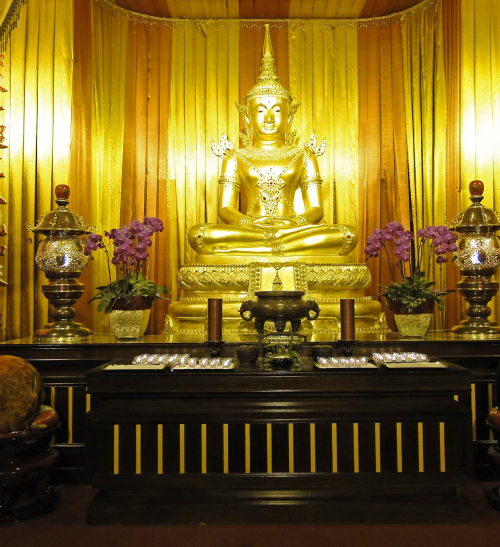
When praying at a temple or columbarium, practices may vary. In some Chinese Buddhist traditions, families may first pay respects to the Three Sages of the Western Pure Land (西方三圣), followed by Kṣitigarbha Bodhisattva (地藏王菩萨) or local deities such as Tua Pek Kong (大伯公) / Tudigong (土地公), before paying respects to their ancestors.
Three Sages of the Western Pure Land (西方三圣)
Kṣitigarbha Bodhisattva (地藏王菩萨)
Tua Pek Kong (大伯公) / Tudigong (土地公)
What Should I Say When Praying?
There is no single universal prayer script. You can simply speak sincerely
Some families use divination blocks (圣杯 / 筊杯) to seek confirmation from their ancestors. Practices involving incense, offerings and joss paper may differ between temples, columbariums and families. Always follow the specific guidelines of the venue.
Frequently Asked Questions
Where can I do prayers?
Traditionally, people do it at homes or under their blocks. Nowadays, many are also shifting prayer sessions to temples and columbariums where their passed loved ones are resting in.
Do I need to know exactly what to say?
No. Sincerity and respect are more important than memorising a script.
How many incense sticks should I use?
This varies according to the deity and venue. Follow the temple or columbarium’s guidelines.
Can children participate in 拜拜?
Yes. It can be a meaningful way to introduce younger generations to family traditions and remembrance.