
Two relatives can make two perfectly reasonable phone calls and leave a funeral provider with two different instructions. One asks for a small farewell. The other mentions a larger wake. Neither realises the other has called. A family coordinator helps funeral arrangements move through one clear channel, while keeping everyone who needs to contribute involved.
The role works best when it is defined simply: gather the family’s questions, communicate agreed instructions and share accurate updates. It does not mean making every decision alone or acquiring legal authority over the arrangements. For immediate help, the funeral support information is a starting point. For an existing plan, the coordinator’s first useful task is finding the agreement and the contact attached to it.
Choose a funeral arrangements coordinator for clarity, not seniority
The eldest relative is not always the person best placed to manage calls and documents. They may be grieving intensely, receiving visitors or caring for another family member. A younger relative who is calm, available and willing to write things down may handle the communication more comfortably. The family can respect senior relatives without placing every administrative task on them.
Choose someone who can distinguish an opinion from an instruction. A cousin saying that more transport might help is offering a suggestion. A properly authorised family decision confirming a service change is something different. The coordinator should make that distinction clear when speaking to the service contact.
The funeral contact should know who can approve a change
Tell the provider who is handling everyday communication and ask who must approve particular arrangements. Do not assume these are the same person. Applications, contracts and changes may have their own requirements. The provider or relevant authority should explain those requirements rather than leave the family to infer them from a group conversation.
A useful agreement within the household is that the coordinator may collect information without being expected to approve every optional service. They can bring a proposal back to the appropriate relatives, record the answer and communicate it clearly. This keeps routine enquiries moving while protecting decisions that deserve wider discussion.
Give the family coordinator a deputy for the funeral period
Even a capable contact needs breaks. A deputy can receive updates when the main coordinator is unavailable, provided the handover is clear. Explain to the provider when the deputy is acting as the contact and how the family wishes instructions to be confirmed. Avoid creating two independent decision channels under the name of shared responsibility.
The deputy does not need every document on their phone. They need to know where the current service summary is kept, which matters remain open and who can approve changes. That is a manageable role for a relative who wants to help but cannot be present continuously.
Turn funeral service updates into a record the family can use
A good update says what changed, what is confirmed and what still needs attention. It need not repeat the entire conversation with the provider. After a call about the wake, for example, the coordinator can explain the proposed arrangement, identify an unresolved family preference and state when an answer is needed.
Keep a distinction between a proposal and a booking. Relatives often remember the first time they hear a date or venue, even if it was only being discussed. Put the status beside the information. Clear wording is especially important when family members are making travel plans or telling visitors where to attend.
| Information received | Useful wording in the family update |
|---|---|
| A possible wake arrangement | Proposed arrangement; family response needed before confirmation. |
| A service change requested | Change requested; revised scope and any cost difference awaiting written confirmation. |
| A niche viewing discussed | Viewing under discussion; no niche position selected or reserved by this message. |
| A later prayer enquiry | Separate remembrance enquiry; not yet part of the agreed funeral service. |
This record supports the family as well as the provider. If a relative comes into the discussion later, they can understand why a choice was made. The coordinator is not forced to defend a decision from memory or search through dozens of voice messages to establish what was agreed.
Keep funeral agreements separate from visitor announcements
A visitor announcement usually needs a confirmed location, time and any relevant attendance information. It does not need a package agreement or identity documents. Separate the small group handling arrangements from the wider group receiving practical updates. This helps avoid private details being forwarded with a public message.
Ask one person to prepare the visitor wording and have the coordinator check it against the confirmed service information. This is a straightforward way to prevent an old address, a provisional time or an incomplete direction from circulating after the arrangement has changed.
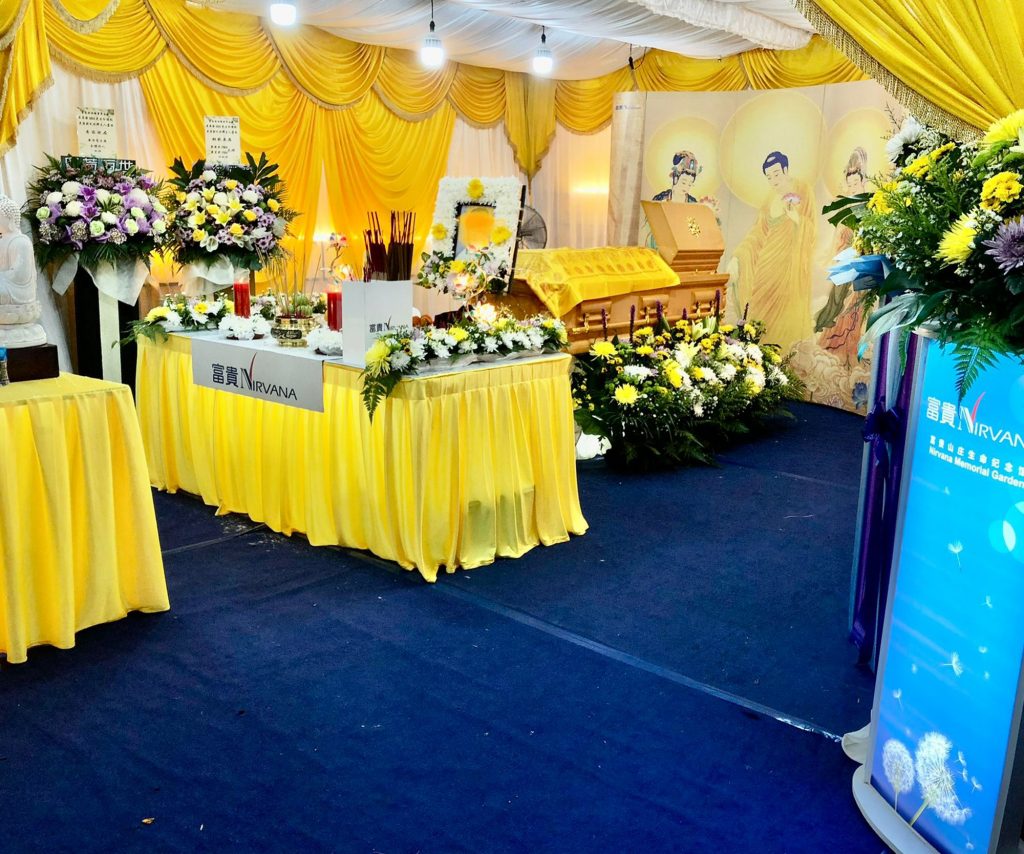
Keep funeral instructions distinct from niche and pedestal decisions
Our funeral and memorial services bring funeral service packages, niche lots and ancestral pedestals together, with Ada, our service director, helping families with planning. The coordinator can bring questions from the same household into that discussion: which funeral instructions are agreed, whether an existing niche record has been found and which memorial decisions are still open. A single account helps Ada understand the family’s actual position.
That joined-up discussion is particularly helpful when the family holds an advance arrangement but cannot immediately tell whether it covers the funeral, the resting place or both. The coordinator can locate the agreement and ask for its scope to be explained. The family then discusses the remaining choices with a clearer understanding of what already exists.
Suppose an uncle asks the coordinator to explore an ancestral pedestal while a sibling is confirming the funeral schedule. The coordinator can take both questions to the appropriate service contact, but the family update should show their different status. The funeral instruction may be approved while the pedestal remains an enquiry. This prevents a well-meaning relative from hearing that everything has been arranged when only one request has progressed.
Record the selected niche as carefully as the funeral venue
A memorial garden name is not enough to identify a particular niche. If the family is comparing suites or positions, keep the exact reference supplied by the provider alongside the proposal. Photographs should be labelled so that relatives can distinguish what they saw from what is currently offered.
Nirvana Memorial Garden provides a peaceful setting combining traditional architectural influences with modern facilities. Those surroundings can be meaningful for future family visits. The coordinator can help bring that experience back to relatives who were unable to attend a viewing, while being clear that a photograph cannot answer every question about the actual position.
A family considering Lin San Temple may be discussing a Buddhist temple niche, an ancestral pedestal or both. If an aunt favours the pedestal while a sibling asks about a niche, record those as different requests. The coordinator can explain who raised each one and what answer is needed, so that the next call continues the right conversation rather than combines two relatives’ preferences into one instruction.
Protect the funeral coordinator from becoming the family’s only source of help
Communication is already a substantial task. The same person should not automatically be expected to greet every visitor, organise every meal and accompany every travelling relative. Divide those tasks according to availability. A household can have one main service contact and several practical helpers without losing clarity.
For a small family, a helpful friend may collect relatives from an agreed meeting point while a sibling handles visitor messages. Another person can keep refreshments organised if that is part of the family’s chosen arrangement. These are examples of family tasks, not claims about what a funeral package includes. Discuss the provider’s responsibilities separately.
For a larger family, the difficulty may be too many well-meaning instructions. Ask relatives to send suggestions to the coordinator rather than independently altering the service. They can still speak directly with a provider when necessary; the point is to make sure any instruction affecting the shared arrangement reaches the authorised person and the current record.
Use the funeral provider for service explanations, not family arbitration
A service coordinator can explain the available arrangements and what has been requested. They should not be expected to decide which sibling remembers a parent’s wishes correctly. Where relatives disagree, identify the concrete question and bring back an agreed instruction when possible. If a matter concerns legal authority, seek the appropriate professional or official guidance.
NEA’s funeral information is useful for checking the official context of applications and arrangements. It also helps distinguish a provider’s assistance from the family’s own responsibilities. A calm division of those roles is more useful than assuming that one helpful contact can resolve every kind of question.
Carry the coordination record beyond the funeral day
When the immediate service is over, the family may still need information about a niche, an ancestral pedestal or later remembrance arrangements. Keep those records accessible to the appropriate relatives. A funeral coordinator does not need to remain the permanent custodian of every family task, but should make a clear handover.
With our private and seasonal prayer services, the coordinator may have received enquiries that remain open after the funeral. Pass on the specific question and the service contact to the relative taking over. That person should know whether the family wants information about one private occasion or a particular seasonal observance, rather than receive a vague instruction to look after the prayers indefinitely.
It may help to separate the final record into funeral arrangements completed, memorial arrangements confirmed and matters still open. A family that has chosen a niche but postponed an ancestral pedestal discussion should be able to see that distinction later. Otherwise an unfinished conversation may gradually be remembered as a completed decision.
Before stepping back, the coordinator can check that another trusted relative knows where the relevant agreements and contacts are kept. This is especially valuable if the main contact travels or lives abroad. It prevents the family’s ability to manage future remembrance from depending entirely on one person’s availability.
Consider a daughter coordinating a funeral while her brother is travelling to Singapore. She can keep the funeral service moving through the agreed contact, while collecting his questions about the memorial setting for a separate discussion. If they are considering a temple niche and an ancestral pedestal, those subjects can be brought into the same planning conversation without being confused with the funeral schedule. Both siblings remain involved, and the provider receives a usable account of what is agreed.
A different difficulty arises when the coordinator needs to leave during the wake. Before handing the phone to a deputy, point out the unanswered question as well as the confirmed schedule. For example, a relative may have requested a niche viewing without agreeing a time. The deputy can acknowledge the enquiry and obtain the necessary answer, while avoiding an announcement that sends the family to an unconfirmed appointment.
After the deputy’s call, return the answer to the same record. If the viewing is confirmed, share the relevant details; if it remains open, say what is still needed. The purpose of a named contact and a deputy is that neither the family nor the service team has to reconstruct the plan each time someone takes a break. That continuity is the coordinator’s most useful contribution.
The best coordinator is not the relative who makes the most calls. It is the person who helps the family and the service team understand the same plan. Give that person a clear role, practical support and permission to ask for written clarification whenever the family needs a more precise explanation of the agreed service. The arrangements become easier to follow when information arrives through a reliable channel and the family still has room to decide together.