
Families can leave the same columbarium viewing in Singapore with different impressions. One relative remembers the calm atmosphere. Another prefers a different niche position. A third is still uncertain about the agreement. Before deciding, bring those impressions together and connect them to the exact arrangement offered.
A thoughtful decision needs both a setting the family values and terms it understands. Our planning support brings niche choices, funeral arrangements and ancestral pedestals into one conversation, with Ada, our service director, assisting families. After a viewing, that conversation can focus on the questions the visit revealed rather than rush the family from a positive impression to an unclear commitment.
Begin the post-viewing conversation with what each relative actually noticed
Ask each person to describe the reason behind their preference. A parent may value a religious atmosphere. An adult child may be thinking about future visits. Another relative may have been concentrating on the written proposal and barely taken in the surroundings. These are different observations, not necessarily opposing choices.
Let the people who attended speak before sharing a single family conclusion. If someone says that the place felt right, ask what created that feeling. The answer may identify a meaningful preference, such as the temple environment or the calm of an indoor memorial hall, that should remain central to the decision.
What your family valued at Nirvana Memorial Garden
Nirvana Memorial Garden brings traditional architectural influences together with modern facilities in peaceful surroundings. A family may respond to that combination because it feels familiar while providing a dedicated place to gather for remembrance. Explain which aspect mattered to the relatives who attended.
Our columbarium options include three blocks and varied suites at Old Choa Chu Kang Road. A positive impression of the garden as a whole should still be connected to the particular suite and arrangement being considered. The family is choosing an actual option, not a general image of the venue.
Air-conditioned halls and family lounges contribute to the indoor visiting environment. Think back to the actual suite: did the older parent seem comfortable there, and what did the family still need to ask about the route? A calm first impression can be meaningful while a particular mobility or assistance question remains unanswered. Bring that question back to the coordinator before assuming the visit settled it.
A temple niche preference may reflect the family’s religious life
Lin San Temple offers a Buddhist setting with niche and ancestral pedestal options. For some families, that environment is the central reason for considering it. Others may prefer a memorial garden suite. The discussion should allow both preferences to be explained without assuming one setting is universally more appropriate.
Thian Leng Temple provides another setting at Kembangan. Location and atmosphere may both matter to relatives thinking about future visits. A family should compare the reasons for considering a place before interpreting the terms for a specific option there.
Do not use a religious preference as a promise of an outcome that cannot be established. The family can value a temple setting for its meaning, customs and atmosphere. That is sufficient reason to explore it thoughtfully, alongside the exact agreement.
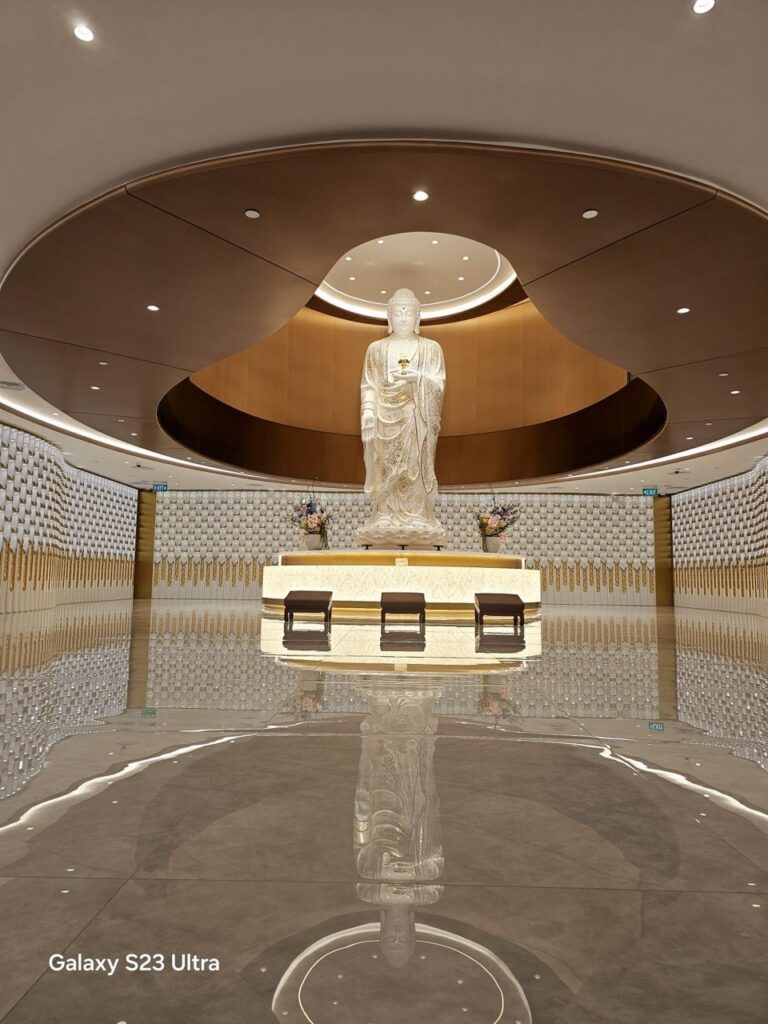
Connect the columbarium viewing to the exact niche offered
After visiting several spaces, it is easy to remember a photograph but lose the reference attached to it. Keep the venue, suite and exact offered arrangement together. Ask the coordinator to clarify any mismatch between the image, the proposal and the family’s recollection.
A preferred suite is not the same thing as a selected niche. A viewing is not automatically a reservation. Make the status clear before telling an absent relative that the choice is settled. This avoids a family conversation based on different assumptions about what happened during the visit.
Single and shared niche choices need their own explanation
If the family is considering a single or shared arrangement, confirm the actual capacity and applicable terms. Do not infer every future use from a label. The proposed arrangement should reflect the family’s intention and the provider’s explanation for that exact niche.
For example, relatives hoping to plan for two people together need a concrete discussion of the offered option. A wish for togetherness does not itself establish the fit, permitted arrangement or future services. Keep those practical questions with the proposal rather than rely on a general article.
Our existing guide to columbarium suites and niche lots can help relatives understand the broad choices. It should support the discussion, while the actual reference and agreement identify what the family is considering.
Personal memorial details should not remain an assumption after the viewing
If inscription, a plaque or other personal wording forms part of the discussion, ask what has been proposed and what remains to be selected. The appearance of a displayed example does not establish every service included with the family’s option.
Names and wording deserve a deliberate review. Identify who will collect the information and who needs to approve it. A family can agree on a niche while still needing to settle the personal details. Keep that distinction visible so an unfinished conversation does not become an assumed instruction.
The same applies when an existing urn is involved. Explain the situation and provide the information requested for the actual selection. A dimension encountered elsewhere should not be used as a substitute for checking the proposed arrangement.
Read the niche terms after the viewing while the questions are clear
The agreement is easier to review when it remains connected to a specific choice. Read it beside the arrangement reference, and ask for unfamiliar language to be explained. A positive visit and a careful review are complementary parts of the decision.
Separate the questions about the setting from the questions about rights, fees and services. A family may love the environment but still need more information about maintenance. That is a reason to seek clarification, not a contradiction in its preference.
Freehold and maintenance wording answer different niche questions
A freehold description should be understood within the terms for the actual arrangement. It should not be used to assume that every future payment or responsibility disappears. Ask what the wording means for the proposed choice and read the maintenance provisions separately.
For a Thian Leng option, the family should examine the initial maintenance fee and further payment after thirty years of use described for its arrangements. If that point was mentioned during the viewing, ask how it appears in the offered terms. Do not carry the same timeline into a different temple or memorial garden proposal merely because the family visited both on its shortlist.
If one relative heard a maintenance explanation that another missed, ask for it to be repeated against the exact option before the family agrees. Do not settle the difference by choosing whichever recollection sounds more reassuring. The family can keep its preference for the setting while obtaining the written answer needed for the commitment. Liking the place and understanding its terms are two parts of the same decision.
Payment options should follow an understood niche selection
If an installment option is being considered, read its current eligibility, schedule and conditions against the niche the family actually viewed. A relative may remember the periodic amount while another remembers the total commitment. Bring both back to the same written offer before deciding. Payment questions should be answered for the preferred arrangement, rather than cause the family to approve a different choice without noticing that the selection changed.
Likewise, a promotion should be tied to the exact option and current written offer. A figure associated with a different suite or capacity should not be carried into the family’s decision by assumption. If the selection changes, obtain the relevant proposal for the new choice.
A niche should be considered as a memorial arrangement. The family does not need a claim about appreciation or resale to explain why it values a dedicated place to visit. Keep the decision grounded in its intended use, beliefs and the terms actually offered.
Turn the family’s columbarium preference into a clear shared decision
When relatives favour different options, identify the point of disagreement. Is it the setting, the exact niche or an unanswered term? These require different next steps. Another viewing may help with atmosphere, while a written explanation may resolve a scope question without requiring a further tour.
For a relative who did not attend, share the exact references and the reasons behind the preference. Photographs can help, subject to permission and the relevant setting’s rules, but they should be labelled. Explain what they do and do not show so the absent relative can contribute usefully.
A simple family comparison can keep the discussion focused:
| What the family values | What was actually observed | What still needs confirmation |
|---|---|---|
| Religious atmosphere | The setting and suite visited, described in the family’s own words. | The relevant arrangements for the selected option. |
| Future family visits | The actual route and environment experienced during the visit. | Any detail important to a particular visitor’s needs. |
| A shared resting-place intention | The specific arrangement discussed with the coordinator. | Capacity, terms and services for the exact offered niche. |
| Clear ongoing responsibilities | The written explanation received. | Any maintenance or service wording the family cannot yet explain. |
The purpose is not to award a score to a place of remembrance. It is to stop a useful preference being lost inside an argument about an unrelated detail. Each unanswered question can then be brought to the person best placed to explain it.
Consider a parent who preferred the memorial garden’s calm indoor environment while a child initially focused on a photograph of another suite. During the family discussion, the parent may explain that the atmosphere mattered more than a particular decorative feature. That information can change the shortlist. The family is no longer choosing between images; it is deciding which actual setting reflects a stated priority.
Another household may have visited a temple setting and discovered that the religious environment was important to more relatives than expected. The next conversation can concentrate on the relevant niche options and terms there. It need not restart with every available venue simply because the family has not yet selected a position. A useful viewing narrows the right question as well as the possible choices.
For a family with members living abroad, the discussion may reveal a different issue: the local contact expects to manage most future enquiries. That responsibility should be understood before agreement. Keep the service contact and the arrangement records accessible to the appropriate relatives so that one person’s absence does not make the whole plan difficult to understand.
These conversations are a practical part of choosing a memorial space. A thoughtful environment matters because families use it in real life, with different beliefs, journeys and patterns of attendance. The selected arrangement should make sense within that life rather than depend on the viewing alone to carry every future assumption.
Our planning support allows the family to return with the questions the viewing produced. Tell Ada which suite or temple setting you visited and what remains unclear. If the discussion also raised funeral arrangements or an ancestral pedestal, identify that as a separate subject. The follow-up can then build on the family’s actual experience instead of restart the whole presentation.
If the visit prompted questions about private and seasonal prayer services, bring the specific question to that follow-up. A parent may have mentioned one observance without asking to arrange it. Clarify the intention before the family treats the remark as a service request. This keeps what was observed, what was preferred and what is actually being chosen understandable to everyone involved.
Official NEA funeral guidance provides the wider context for arrangements and the importance of wishes and preferences. The private agreement still governs the proposed niche choice. Keep official requirements and the provider’s specific terms in their appropriate places.
Before proceeding, ask each essential participant whether they understand the exact choice and the remaining responsibilities. Agreement should concern the same arrangement, not several different impressions of the visit. Keep the current proposal and any written clarification together for the appropriate relatives.
A family can like a place on the first visit and still need time to understand the terms. It can also discover that a second option better reflects the wishes it has now clarified. Let the viewing inform the decision, let the agreement explain it and choose when the family can describe both the place and the arrangement with confidence.