
A family remembrance visit is easier when the pace is set around the relative who needs more time. For a columbarium visit with elderly relatives in Singapore, begin with the actual route, a manageable purpose and someone available to accompany the older person. Confirm the relevant venue information before travelling, and avoid building an outing that depends on everyone walking, standing or waiting at the same pace.
We can help your family explore columbarium arrangements with the older relative’s visiting needs in mind. Nirvana Memorial Garden, Lin San Temple and Thian Leng Temple provide different settings to explore. The useful choice is the one whose actual arrangement and visiting journey fit the people who will return.
Give the elderly relative a voice in the columbarium visit
Begin by asking what the older person wants from the outing. They may want quiet time at a spouse’s niche, a visit to an ancestral tablet or the opportunity to attend a religious observance. These are different purposes. Understanding the priority helps the family protect what matters instead of filling the day with several unrelated tasks.
An adult child may naturally take charge of transport and appointments. That practical help is valuable, but it should not make the older relative a passenger in every decision. Explain the plan directly and invite their preferences about timing, company and the setting. A person may want a shorter visit than the rest of the family expects.
If the family is choosing an arrangement rather than visiting an existing one, make that purpose clear. A viewing gives relatives time to understand options. It should not be confused with a ceremony or a final approval. An older person attending for the first time should know why they are being invited.
A quiet niche visit and an organised prayer need different pacing
A short period at a niche can be planned around the family’s own visit, subject to venue access arrangements. An organised prayer service has its own format and timing. Our prayer services include private arrangements and festival occasions such as Qing Ming, Vesak Day and Double Ninth.
Obtain the relevant service details before inviting an older relative to attend. Understand the expected sequence and whether the family needs to make a separate booking. A calm explanation before the day is kinder than asking someone to manage a longer or more complex occasion than they expected.
Plan the journey to the actual memorial area
A venue address is only part of the journey. The family also needs to understand the route from arrival to the relevant niche or pedestal. Where an access feature matters, obtain information about that specific route. Do not infer it from a general statement that a building is modern.
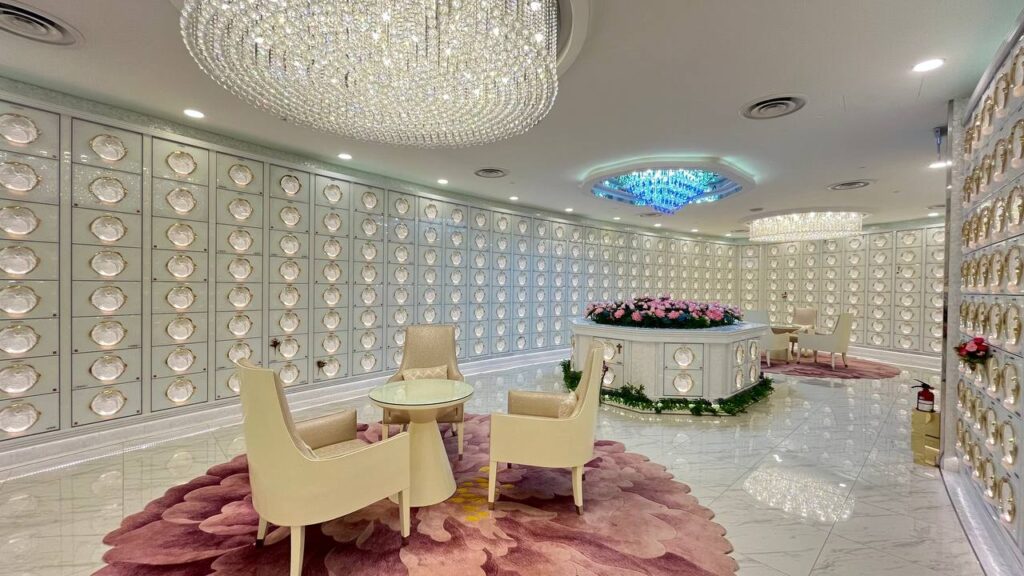
Nirvana Memorial Garden combines modern facilities with traditional Chinese and local cultural influences in western Singapore. Families may appreciate that combination of contemporary surroundings and cultural familiarity. For the actual visit, connect those features with the particular arrangement and the older relative’s needs.
Lin San Temple has a niche suite, ancestral pedestal areas and Mini Buddha displays. Identify which area the family intends to visit. If both niche and tablet visits are planned, understand the route between the relevant locations rather than assume that a shared venue name makes every part equally easy to reach.
At Thian Leng Temple in Kembangan, a modern pedestal design sits alongside traditional religious elements. For a relative who lives nearby, it may be a useful option to explore. Convenience remains specific to the household, transport and actual memorial area.
The accompanying adult should be free to help on the route
Agree who will accompany the older relative from arrival to the memorial. That person should not also be expected to manage every offering, telephone call and family photograph. Share those tasks among other adults where possible. A clear division of help allows the companion to stay attentive rather than repeatedly leave the person waiting.
If a walking aid or wheelchair is used, discuss the actual route and relevant venue arrangements in advance. Obtain confirmation for the feature the family needs instead of relying on an attractive room image. Follow the person’s own established care arrangements; the memorial outing should be planned around them.
Keep the remembrance outing focused enough to feel unhurried
A visit can become tiring because the family adds too many stops, not because the memorial itself requires a long stay. Separate the essential purpose from optional tasks. A discussion about future services, a large family meal or a second venue viewing may be better arranged on another occasion.
For example, a parent who wants a quiet visit to a spouse’s niche may not also want to compare several pedestal options that day. Tell the family which part has priority. If there is a separate planning question, give it its own appointment rather than assume the older person will be comfortable continuing.
Leave room for pauses. Do not make the whole outing depend on meeting a tight series of deadlines. If another relative is arriving later, agree how the family will communicate so that the older person is not left standing while everyone waits for a telephone response.
Offerings should not become an extra burden for the elderly visitor
If the family plans offerings, establish the permitted practice and let other adults handle the practical preparation where appropriate. An older relative can explain what is meaningful without being expected to carry several items. Keep quantities and arrangements consistent with the venue’s current instructions.
Incense or other burning activities should take place only where permitted. Understand the location and sequence before arrival. A relative who needs help walking should not be asked to carry lit items while following a group through an unfamiliar area.
The NEA’s 2026 visiting advisory offers background on considerate, safe visits to government-managed memorial facilities. Its specific arrangements apply to those premises. Obtain current information directly for a private memorial or temple visit, and remain attentive around roads and vehicles during the journey.
Allow time at the niche for the older relative’s own remembrance
Once the family reaches the memorial, avoid filling every moment with instructions. The older person may want to read the name, say something quietly or simply stand with a relative. A practical plan is useful because it creates room for that personal purpose.
Greenery and Buddhist chanting are part of the atmosphere at Nirvana Memorial Garden. A temple setting may offer a different religious environment. These features can matter to relatives who value a dedicated place for remembrance. Let the person experience the actual setting rather than rush immediately to the next task.
If they want to tell a genuine memory, listen. The family does not need to record it or turn it into a formal speech. If recording is desired, ask permission and respect venue rules and other visitors’ privacy. A shared memorial hall is also a place where other families may be having their own quiet moments.
For families learning about ancestral observances, our guide to traditional Chinese prayer and ancestral worship can provide background for a later conversation. During the visit, follow the family’s appropriate religious guidance and the actual venue instructions. The older relative should not have to answer every cultural question while trying to remember someone personally.
Use a first viewing to understand future visits with older family members
When choosing a niche or pedestal, think beyond the first guided tour. Would the older person feel comfortable returning? Do relatives understand how the relevant area is identified? Can the accompanying family member explain the route and current access arrangements to someone else who may help next time?
Follow the relevant journey where practical and note any detail that needs a specific answer. This is more useful than collecting many photographs of decorative finishes. The setting should be meaningful, but its ordinary use matters as well.
Different generations may value different features. A parent may be drawn to a familiar temple atmosphere. Their children may be thinking about the journey or the practical record. Those preferences can be considered together rather than treated as competing reasons. A focused service conversation can connect the environment with the family’s real needs.
Our service commitment includes courteous explanations that take your family’s preferences into account. Explain which part of the future visit needs clarification. The more specific the concern, the easier it is to discuss the actual arrangement rather than rely on a broad description.
A pedestal viewing can be separate from a parent’s private niche visit
If a family is considering an ancestral tablet while already visiting a niche, give each purpose its own time. A parent may be willing to discuss a new arrangement but still want an undisturbed moment at the existing memorial. Explain the proposed sequence and ask whether they would prefer the service discussion on another day.
This distinction is useful at settings where families can explore both niche and pedestal features. The range of services allows a coordinated conversation, while the family decides how much to address during one outing. More available options do not require more decisions from an older relative at every visit.
After the visit, share a clear account with siblings who could not attend. Describe the person’s practical preferences without speaking for their feelings. For example, a request for a shorter journey is something the family can plan around. It should not be turned into an assumption that the person no longer wishes to remember or participate.
Prepare for changes without turning the visit into a medical appointment
A family’s practical needs may change over time. The person who drove last year may need someone else to help this year. A relative may prefer a shorter outing or a different time. Review the ordinary travel and support plan when arranging each visit, rather than assume the previous routine will always fit.
Where health needs affect travel, follow the person’s existing professional advice and care arrangements. This article concerns organising the family visit; it does not decide whether an individual is medically fit to travel. Tell the relevant venue contact which access information is needed, without expecting a memorial adviser to provide clinical guidance.
Have a simple way to adjust the plan. If the older relative wants to leave earlier, decide which adult can accompany them. If another family member wishes to stay, they can do so without making everyone follow one schedule. Flexibility allows the purpose of remembrance to remain central.
Discuss that possibility before arrival so that leaving early does not feel like letting the family down. A shorter visit can still be meaningful. The length of time spent in the hall should not become a measure of care for the person remembered.
End the remembrance visit with a clear, comfortable departure
Before leaving, let the accompanying adult remain with the older relative while others handle belongings and any permitted offerings. Follow the venue’s directions for clearing the area. Keep the route out as considered as the route in, particularly around vehicles or unfamiliar changes of level.
Later, ask what worked well and what the person would prefer next time. The answer may concern the journey, the company or the amount of time at the memorial. Use that information to make the next outing easier rather than assume that an absence of complaint meant every detail was comfortable.
Keep the actual arrangement information and the route for obtaining current visiting details accessible to the relevant relatives. A different companion should be able to help without beginning from uncertainty. Share practical knowledge while respecting the privacy of the family’s documents.
A thoughtful columbarium visit with elderly relatives gives people time, company and a setting they understand. Plan the practical help around the person, protect the purpose of the visit and leave room to adjust. The memorial environment can then support the family’s remembrance instead of the outing becoming a sequence everyone has to hurry through.