Types of Burial in Singapore: A Guide to Traditional Chinese Burial Practices
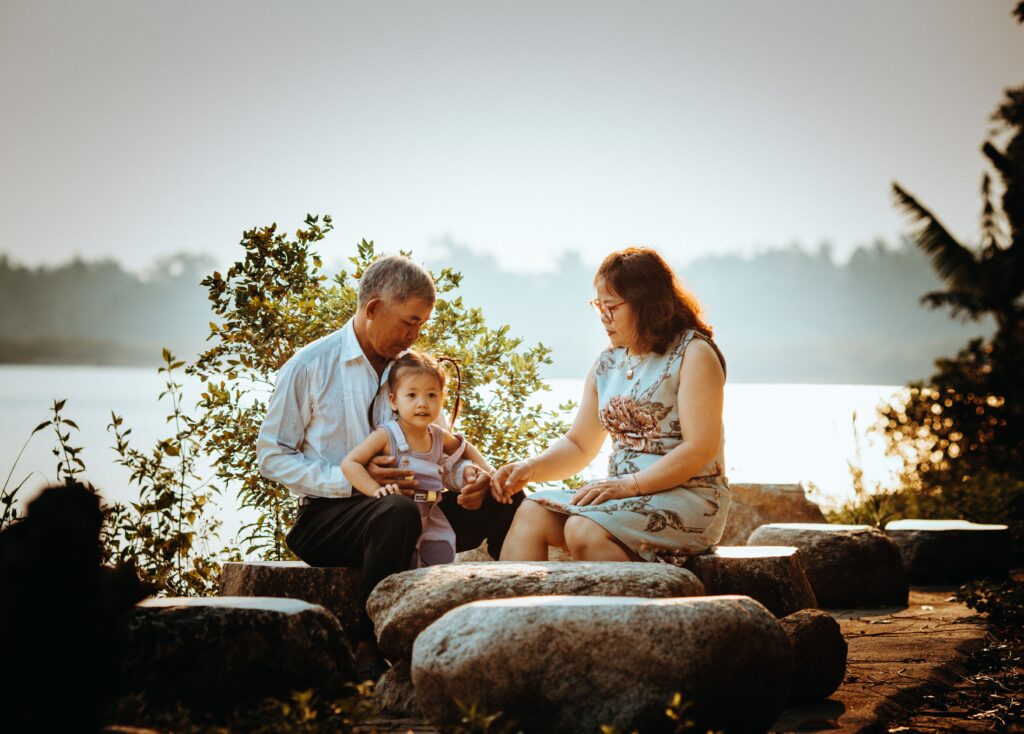
Traditional Chinese burial practices reflect the importance of family values, ancestral blessings and preserving family heritage across generations. Traditionally, sharing a surname and resting alongside ancestors symbolised a lasting family connection.
Today, burial and memorial practices also provide a place for children and descendants to pay their respects, find comfort during times of grief and reunite as a family on important occasions.
In Singapore, families can consider several options, including land burial, cremation and columbarium niches, sea burial and garden burial.
Land Burial (土葬)
The traditional Chinese belief of 入土为安 (resting peacefully in the earth) reflects the desire to provide the deceased with a permanent resting place. Land burials typically feature a tombstone engraved with the deceased’s name and family details, creating a physical place for descendants to visit.
For families living overseas, however, maintaining ancestral graves can be challenging. Some families also install an ancestral tablet (神主牌) for prayers and remembrance.
The NEA explains that Singapore introduced a new burial policy in 1998 to address land scarcity, limiting burial to 15 years. After that period, remains are exhumed and either cremated or re-interred, depending on religious requirements. This has led many families to consider columbarium niches as a longer-term memorial option
Cremation and Columbarium (火化与骨灰阁)
Cremation followed by placement in a columbarium is one of the most common modern arrangements in Singapore. After the funeral procession (出殡), the deceased is cremated, and the ashes are collected in an urn before being placed in a designated columbarium niche (骨灰位).
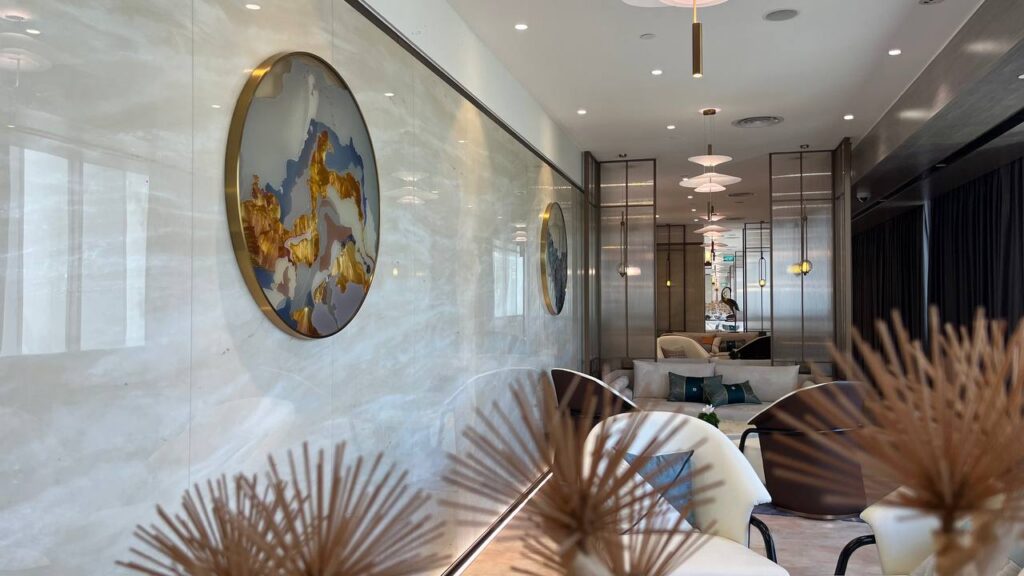
Modern columbariums offer various configurations, from single niches to spacious family suites. They provide an indoor environment for prayers and remembrance, allowing families to visit comfortably throughout the year. For those seeking a practical and organised memorial space, columbarium niches offer an alternative to traditional land burial.
Sea Burial (海葬)
Sea burial involves scattering or placing cremated ashes at sea through an authorised arrangement, subject to applicable regulations, vessel availability and scheduling. It may appeal to families who prefer a simple farewell or a connection with nature.
The government confirms that sea ash scattering takes place at a designated site, approximately 3.2 km east of Raffles Lighthouse. NEA and MPA also specify that plastics and other synthetic materials should not be disposed of at sea during the process.
However, sea burial does not provide a permanent physical memorial site. Some families may find it difficult to visit a specific place when remembering their loved ones. An empty tomb or memorial shrine (衣冠冢) may be considered by families who wish to establish a dedicated place for remembrance.
Garden Burial (花园葬)
Garden burial offers an alternative that offers a simple good-bye to diseased loved ones. Availability and arrangements depend on the designated site and applicable regulations.
Singapore’s official term is inland ash scattering (IAS), rather than garden burial. NEA currently operates two designated facilities, and when the scattering lanes reach capacity, accumulated ash soil is transferred to a designated location。
Before choosing this option, families should understand how ashes are handled, and similar to Sea Burial, it is a forever good-bye with no physical representation of memorial. Those who value a clearly defined resting place may prefer a columbarium niche or another option that offers a dedicated space for prayers and remembrance.
The best burial arrangement depends on family traditions, religious beliefs, budget and long-term memorial preferences. Understanding the differences between land burial, cremation, columbarium niches, sea burial and garden burial in Singapore can help families make a thoughtful and informed decision.